
5 Books That Will Make You Smarter Than 98% of People
Missed last week? — Catch up on the archive here
Hey Reader,
Are there books that you can read that will instantly make you smarter?
I’ve read close to 400 books in self-improvement, psychology, behaviorism, philosophy, business, and marketing.
To be honest, out of all these, there were only a select few that I would actually say changed my perspective long-term.
So today, I’m sharing the five that I believe will make you smarter than 98% of people out there.
Two quick notes:
- This was our most recent YouTube video, and you guys loved it—so I’m sending it here in written form.
- The 98% is obviously hyperbole, but in a world of brain-rot short-form content, five solid nonfiction books actually puts you ahead of most people.
And before we dive in… pick a card:
Got it?
Remember it.
We’ll come back to this later.
1. Thinking, Fast and Slow
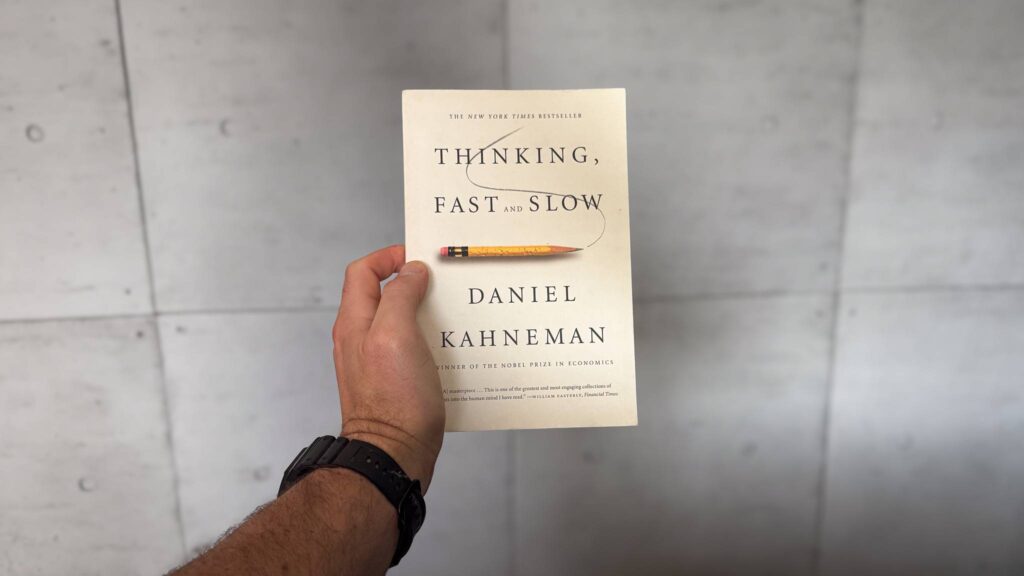
Best for: Catching your own mental traps before they wreck your big decisions. Also called “Cognitive Biases”.
Here are some of my favorites from the book:
- Anchoring Bias: we rely heavily on the first piece of information we hear. If someone tells you the price is $6,000, then later says it’s $4,000, in your mind you associate a $2,000 discount.
- Availability Bias: we judge things based on how easily the information comes to us.
- Confirmation Bias: we get comfort in hearing what we already believe.
- Loss Aversion: the pain of losing outweighs the pleasure of gaining. Most people wouldn’t take a 50/50 coin flip on betting their life savings.
- Sunk Cost Fallacy: we stay in things just because we’ve been in them so long (relationships, jobs, gambling losses, etc).
This book is dense. It sometimes feels like eating a giant salad: good for you, but kinda just getting through it.
But the payoff is that once you can see your biases objectively, you catch them before making life-altering decisions.
2. Psychology (Fifth Edition)
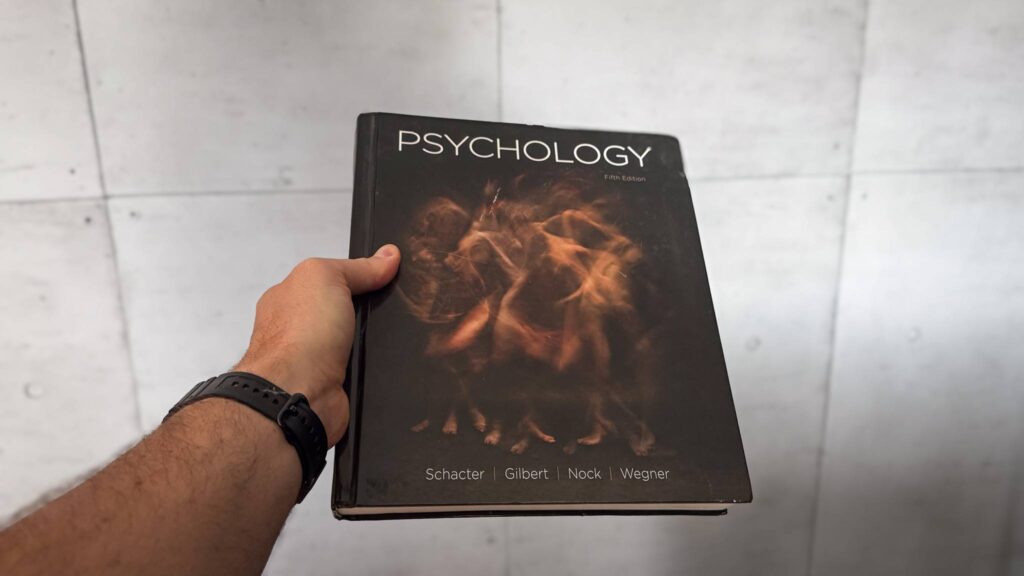
Best for: Going straight to the source instead of playing the “telephone game” with ideas.
“Clark, dude… is that a textbook?“
Yes, and it’s like having 100 books in one.
Most ideas get watered down on social media. Passed around until the idea itself is barely recognizable, like that old classroom game of telephone that always ended in fart jokes.
This book gives you the source and skips the telephone game. Laying out what we actually know about neuroscience, philosophy, psychology, and behaviorism.
I’ve pulled so many concepts from this for newsletters, videos, and coaching programs.
My favorite idea from psychology: memory is incredibly fallible.
Here, I’ll show you.
Remember that card you picked earlier?
I’ll make it disappear:
Woah.
Freaky, right?
Here’s the trick: I removed all the cards. They all changed, but you didn’t notice because they were similar enough, and your brain filled in the gaps. That’s exactly what your memory does every single day.
Psychology shows us memories aren’t objective recordings of what happened. They’re more like a reflection of who you are today.
In a terrible mood? Your past looks dark. Or the best days are behind you…
In a great state? You reinterpret those same memories as growth experiences that made you stronger
Understanding how fluid your perception really is, that’s the beginning of true self-awareness.
3. The Untethered Soul
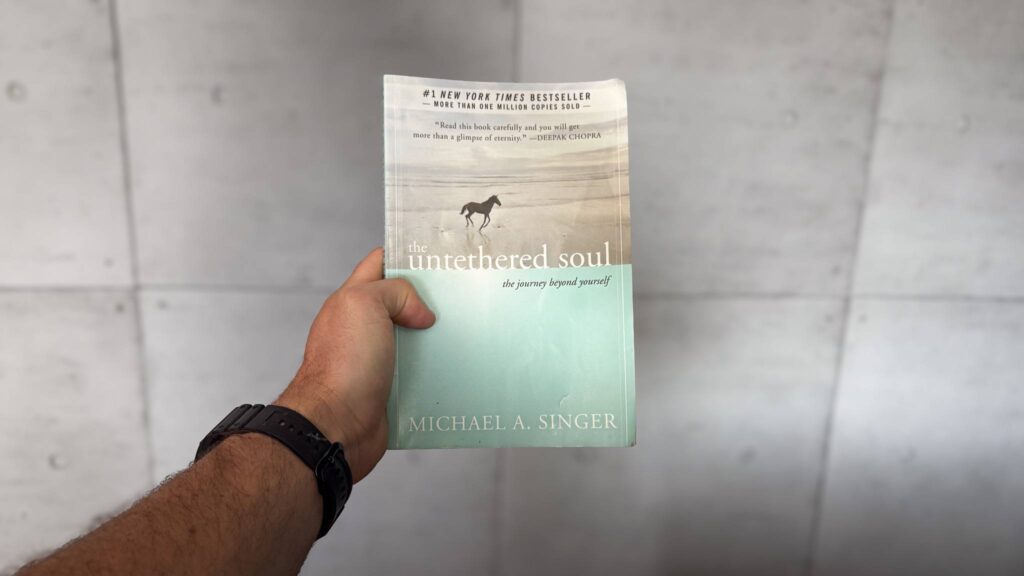
Best for: Detaching from your inner critic without losing your edge.
This book changes lives more than any other I recommend.
The core idea is that you are not your thoughts. You’re the one who hears them.
That negative chatter in your head saying you’ll fail, people will reject you, you’re not good enough? That’s not you. Michael Singer calls the chatter your “inner roommate.”
This book has been massive for me personally. It’s been a challenging two years for me. I’ve struggled with burnout, business pivots, letting go of an entire team, and other personal struggles.
Old Clark would’ve freaked out: “The numbers are down! Everything’s collapsing!“
New Clark surrenders more. I find my self-worth outside of metrics. They’re just numbers. I detach from the need to control everything. And I’ve realized business and life are meant to have ebbs and flows, you just ride the wave you’re on.
And ironically, it’s only when I stop gripping so tightly that breakthroughs actually happen.
So if you feel like you care too much about everything, this book will teach you how to loosen up without losing your edge.
4. The Righteous Mind
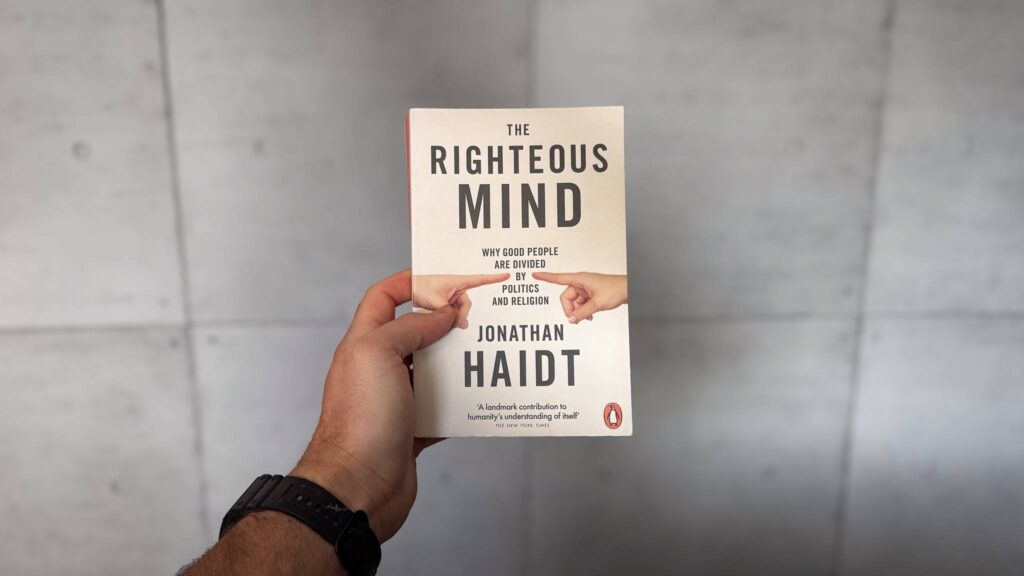
Best for: Understanding why smart people believe things that seem insane.
Ever wonder why smart people believe stupid things? Or why you and your brilliant friend see politics completely differently?
Jonathan Haidt explains that moral reasoning is mostly post-hoc justification. Fancy way of saying we judge instantly with our gut, then our brain explains why we were “right”.
He argues we have six moral “taste buds“:
- care
- liberty
- fairness
- loyalty
- authority
- sanctity
Liberals usually emphasize the first few. Conservatives use all six. That’s why they talk past each other. They’re literally tasting different flavors.
I found this book a fascinating intro to moral psychology. Even dedicating a few hours to reading into this can save you decades of getting wrapped too tightly in identity politics and tribalism.
Understanding this framework lets you step back and watch the moral theater instead of getting pulled into it. You start seeing why people believe what they believe instead of just thinking they’re idiots.
Master this, and you’ll understand human nature better than 98% of people who just get swept up in the emotional drama.
5. The Lessons of History
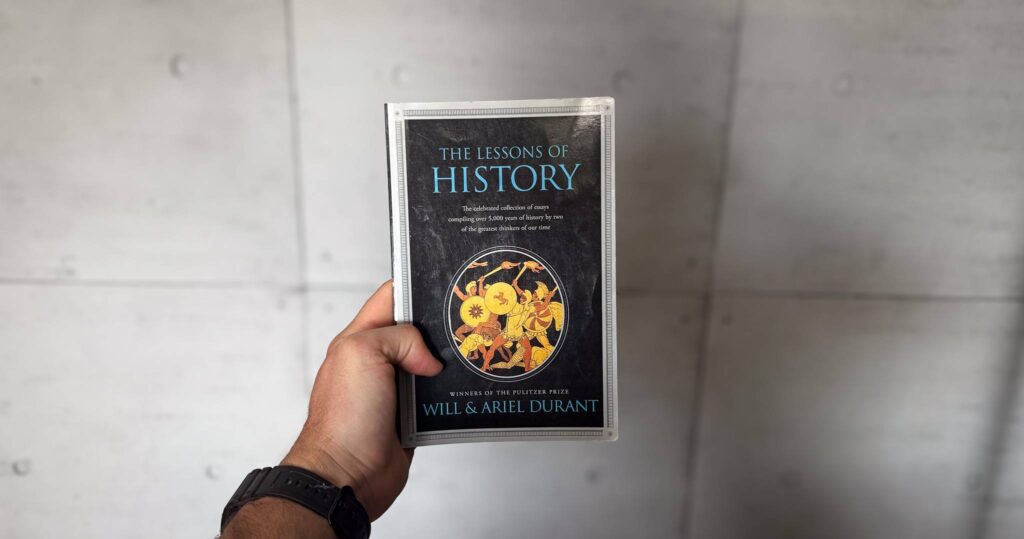
Best for: A quick perspective shift on how fragile civilization really is.
Will & Ariel Durant, often called the greatest historians of the 20th century. In just 100 pages, you get 5,000 years of history lessons. Good deal if you ask me.
A few takeaways:
- The only thing we learn from history is that we don’t learn from history.
- Civilization is fragile. Remove food and law, and within three days we’re back to tribal chaos.
- Civilizations cycle between competition (driving innovation) and cooperation (stability but stagnation).
- War is the norm. Peace is the exception.
The big meta-lesson? For all the problems we see daily… if you’re reading this in a developed country likely with internet access… we have it really good today.
Question
What’s one book that actually changed how you think? Hit reply and let me know. I read every reply.
Life Update
Dani was out of town for her bachelorette this week. Perfect timing to surprise her with a second dog! Meet Bonita!
She’s a 3-year-old German Shepherd from the shelter. We’re not sure if she was a stray or abandoned, but she’s recovering from surgery and doing great.
Was Dani mad when she got home? Absolutely. Did Bonita win her over in 12 hours? Also yes.
Now the only one left to convince is our first dog, Hondo. He’s being a total ass, but he’ll come around!
See you next week
CK